Not every skin concern calls for a big reset. Moxi by Sciton is a gentle, non-ablative fractional laser designed to treat early sun damage, dullness, uneven tone, and fine lines before they settle in. It's safe for all skin types, can be done year-round, and most patients are back to their normal routine the same day or the next, which makes it one of the easiest ways to keep your skin clear and bright between bigger treatments.
BOOK NOWREQUEST APPOINTMENT
Moxi is a fractional laser made by Sciton that uses a 1927nm wavelength to deliver energy into thousands of microscopic treatment zones in the skin. Because it's non-ablative, it works beneath the surface without removing the outer layer of skin. Those tiny zones of controlled energy prompt your skin to shed damaged, pigmented cells and build fresh collagen, while the untouched skin around each zone speeds healing. The result is brighter, smoother, more even skin with very little interruption to your life.
Moxi is designed to be gentle, so it isn't the right tool for deep wrinkles, significant acne scarring, skin laxity, or redness and broken capillaries. For those concerns, your nurse may recommend Halo Tribrid, BBL, or another treatment.
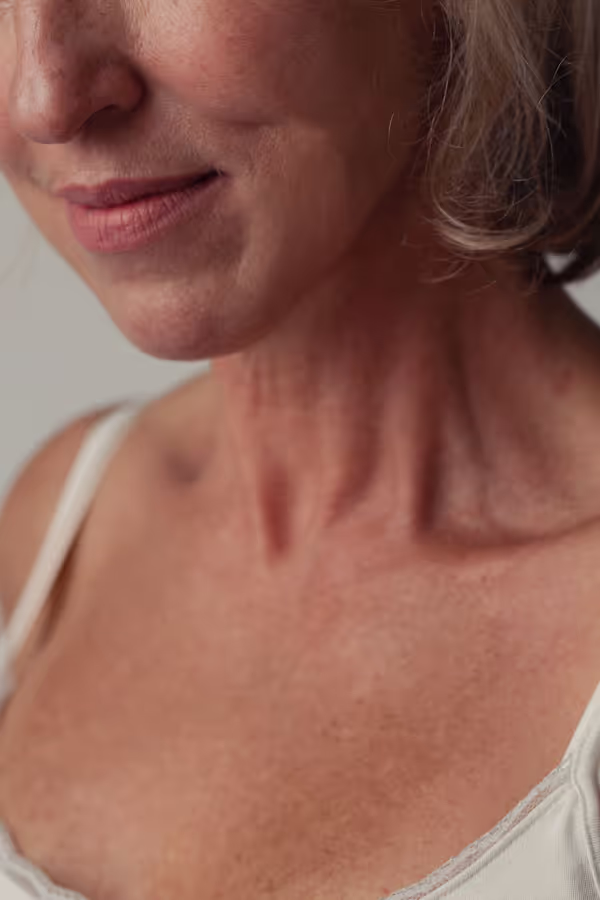
Moxi can treat the face, neck, chest, and hands.
Moxi and Halo Tribrid are both made by Sciton, and Moxi's 1927nm wavelength is actually one of the three wavelengths inside Halo Tribrid. Halo combines it with two additional wavelengths to resurface the skin and reach deeper into the dermis, which makes it a more comprehensive reset with about a week of downtime. Moxi uses that single, gentle wavelength on its own, so recovery is a day or two. Many patients do Halo or BBL for a bigger correction, then use Moxi to maintain their results throughout the year.
Every laser treatment at Esthetics Center begins with a consultation with a skilled nurse to discuss your goals, review your medical history, and take before and after photos to track your progress. On treatment day, your skin is cleansed and a topical numbing cream is applied while you relax. The laser itself takes only about 15 minutes for the full face, and your entire appointment is about an hour.
Most patients find Moxi very comfortable. With numbing cream in place, the treatment feels warm with a light prickling sensation, and any heat fades quickly afterward.
Very little. Expect redness similar to a light sunburn for a day or two. Over the next few days, your skin may feel like fine sandpaper and develop tiny dark specks as damaged pigment rises to the surface and flakes away. Most patients can wear makeup the next day and return to work right away. Daily broad-spectrum sunscreen of at least SPF 30 is a must, during your series and always.


Most patients notice brighter, smoother skin within a week as the treated skin flakes away. We recommend an initial series of two to four treatments spaced about four weeks apart, with results building after each one. After your series, maintenance treatments every three to six months keep your skin clear and bright.
Moxi is safe for all skin types and tones, including deeper complexions that aren't good candidates for light-based treatments like IPL or BBL. It's ideal if you're noticing the first signs of sun damage or dullness, want to stay ahead of aging, or simply can't take a week off for a more intensive laser. As a general practice, we do not perform medical esthetic treatments on pregnant women.
Yes, and it's one of our favorite pairings. BBL targets brown spots and redness with light, while Moxi refines tone and texture with laser energy. Depending on your skin, your nurse may recommend combining the two in the same appointment for more complete results.
Pros:
Cons:

Dr. Rice, our cosmetic surgeon at the medical spa in El Dorado Hills, CA, received his medical degree from Loma Linda University in Southern California, where he also completed an internship in general surgery and specialty surgical training in Otolaryngology—head and neck surgery. Dr. Rice went on to complete advanced training in Facial Plastic and Reconstructive Surgery at the Institute of Facial Plastic Surgery. He is double board-certified by the American Board of Otolaryngology, head and neck surgery, and the American Board of Facial Plastic and Reconstructive Surgery.
LEARN MORE